
Tunisia’s current state of economy is influenced by several historical factors that have shaped the country’s economic development. Some key factors include:
- Colonial Legacy: Tunisia was under French colonial rule from the late 19th century until it gained independence in 1956. The colonial period had a significant impact on the country’s economic structure, with France exploiting Tunisia’s resources and establishing an economy focused on agricultural production, particularly for export to France.
- Post-Independence Economic Policies: After gaining independence, Tunisia implemented policies aimed at promoting economic growth and development. The government pursued import substitution industrialization, encouraging domestic industries and reducing dependence on imports. State-led development strategies were implemented, including investment in infrastructure, education, and healthcare.
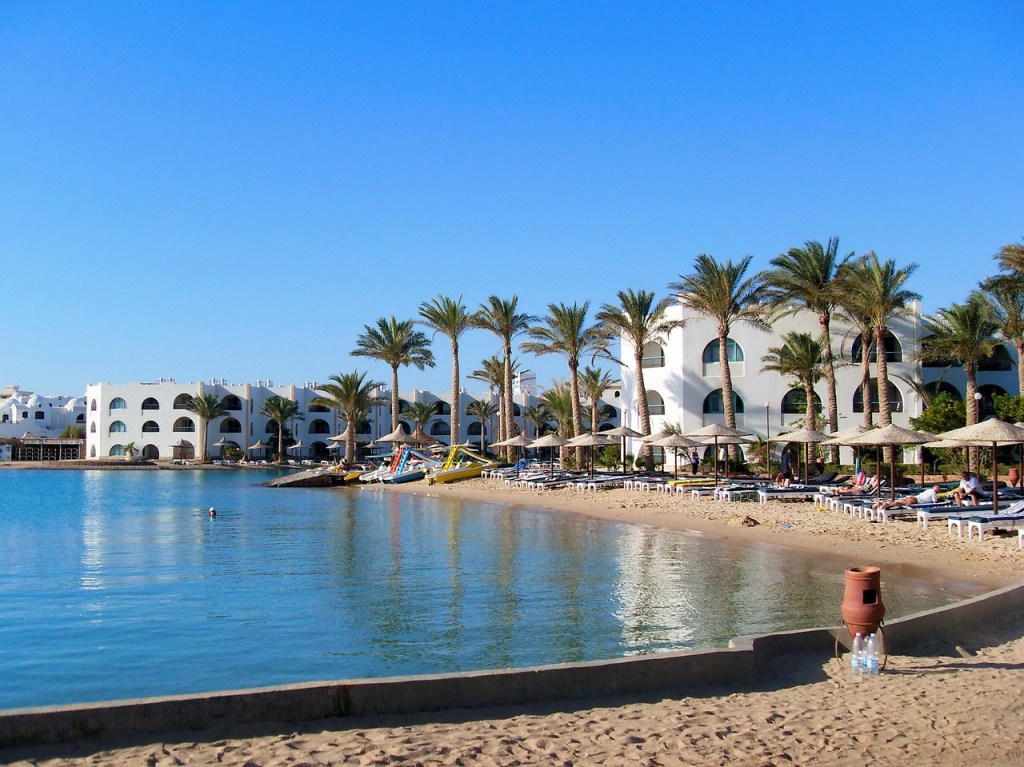
- Tourism Industry: Tunisia’s strategic location on the Mediterranean has made it a popular tourist destination. The country invested in developing its tourism sector, attracting visitors from Europe and other parts of the world. Tourism has played a significant role in Tunisia’s economy, contributing to foreign exchange earnings, employment opportunities, and economic growth.
- Structural Adjustment Programs: In the 1980s and 1990s, Tunisia faced economic challenges, including high levels of external debt and budget deficits. To address these issues, the country implemented structural adjustment programs recommended by international financial institutions such as the International Monetary Fund (IMF) and the World Bank. These programs aimed to liberalize the economy, promote privatization, and encourage export-oriented industries.
- Political Transition and Arab Spring: Tunisia experienced a political transition in 2011 following the Arab Spring uprising. The revolution led to political changes, including the establishment of a democratic system. However, the transition also had economic implications, with periods of instability impacting investor confidence and economic growth. The government has since focused on economic reforms and attracting foreign investment to stimulate economic development.
- Regional and Global Economic Context: Tunisia’s economy is influenced by regional and global factors. Its proximity to Europe has allowed for trade and investment opportunities. However, economic challenges faced by Europe and fluctuations in global commodity prices have affected Tunisia’s export markets and foreign investment inflows.
These historical factors have collectively shaped Tunisia’s economy, influencing its economic structure, sectors of focus, and development strategies. The country continues to face challenges in areas such as unemployment, regional disparities, and economic diversification, requiring ongoing efforts to promote sustainable economic growth and development.
 Express your opinion with A to Z write