Tag Archives: tunisia

Tunisia’s current state of economy

Tunisia’s current state of economy is influenced by several historical factors that have shaped the country’s economic development. Some key factors include:
  1. Colonial Legacy: Tunisia was under French colonial rule from the late 19th century until it gained independence in 1956. The colonial period had a significant impact on the country’s economic structure, with France exploiting Tunisia’s resources and establishing an economy focused on agricultural production, particularly for export to France.
  2. Post-Independence Economic Policies: After gaining independence, Tunisia implemented policies aimed at promoting economic growth and development. The government pursued import substitution industrialization, encouraging domestic industries and reducing dependence on imports. State-led development strategies were implemented, including investment in infrastructure, education, and healthcare.
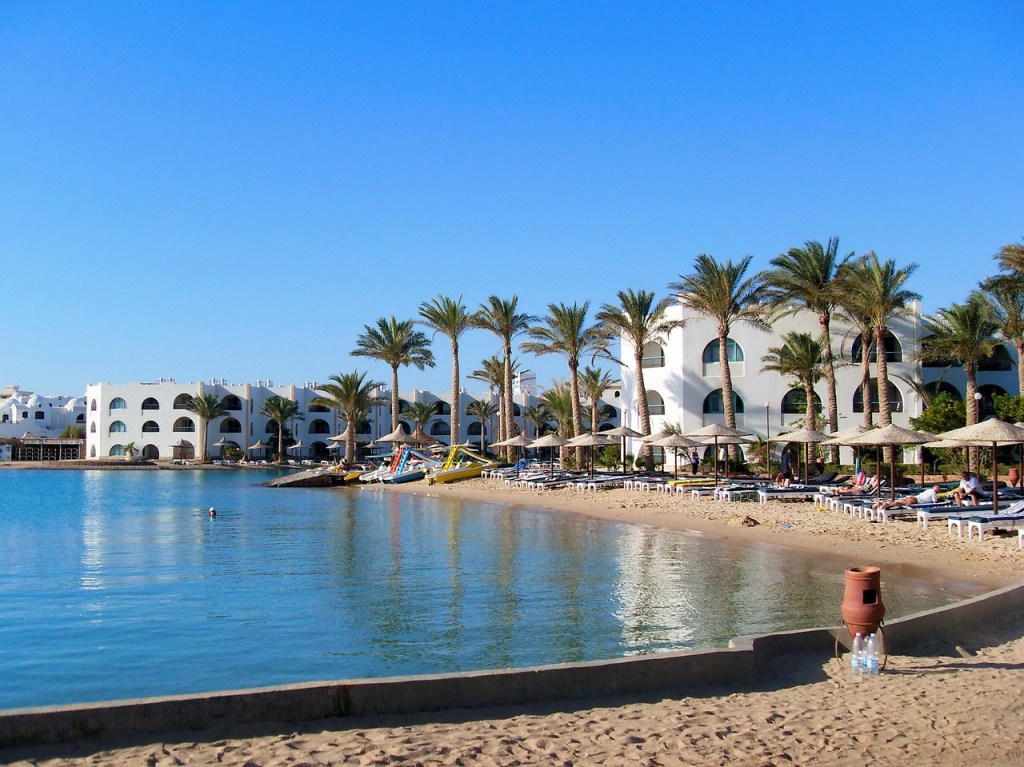
  3. Tourism Industry: Tunisia’s strategic location on the Mediterranean has made it a popular tourist destination. The country invested in developing its tourism sector, attracting visitors from Europe and other parts of the world. Tourism has played a significant role in Tunisia’s economy, contributing to foreign exchange earnings, employment opportunities, and economic growth.
  4. Structural Adjustment Programs: In the 1980s and 1990s, Tunisia faced economic challenges, including high levels of external debt and budget deficits. To address these issues, the country implemented structural adjustment programs recommended by international financial institutions such as the International Monetary Fund (IMF) and the World Bank. These programs aimed to liberalize the economy, promote privatization, and encourage export-oriented industries.
  5. Political Transition and Arab Spring: Tunisia experienced a political transition in 2011 following the Arab Spring uprising. The revolution led to political changes, including the establishment of a democratic system. However, the transition also had economic implications, with periods of instability impacting investor confidence and economic growth. The government has since focused on economic reforms and attracting foreign investment to stimulate economic development.
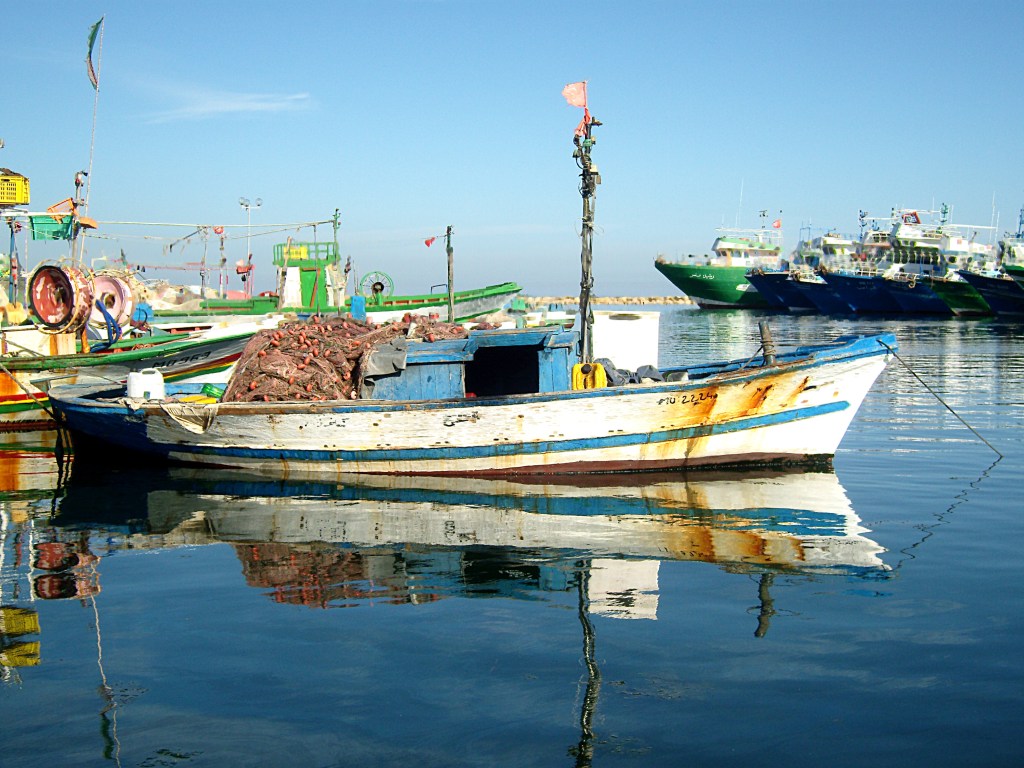
  6. Regional and Global Economic Context: Tunisia’s economy is influenced by regional and global factors. Its proximity to Europe has allowed for trade and investment opportunities. However, economic challenges faced by Europe and fluctuations in global commodity prices have affected Tunisia’s export markets and foreign investment inflows.

These historical factors have collectively shaped Tunisia’s economy, influencing its economic structure, sectors of focus, and development strategies. The country continues to face challenges in areas such as unemployment, regional disparities, and economic diversification, requiring ongoing efforts to promote sustainable economic growth and development.

Tunisia: A Tapestry of History, Culture, and Natural Beauty


Nestled on the Mediterranean coast of North Africa, Tunisia is a country that beckons travelers with its rich history, vibrant culture, and diverse landscapes. From ancient ruins and bustling medinas to stunning beaches and desert oases, Tunisia offers a captivating tapestry of experiences. In this article, we will embark on a journey to explore the allure of Tunisia, delving into its historical treasures, cultural heritage, and natural wonders.

  1. Ancient History and Archaeological Marvels:
    Tunisia boasts a fascinating ancient history, with a legacy that stretches back to Carthaginian times. The UNESCO-listed archaeological site of Carthage stands as a testament to this ancient civilization, with its ruins of grand structures, including the iconic Carthage Theatre and Roman villas. The well-preserved Roman amphitheater of El Jem, often referred to as the “Colosseum of North Africa,” showcases Tunisia’s Roman heritage and leaves visitors in awe of its grandeur.
  2. Enchanting Medina Cities:
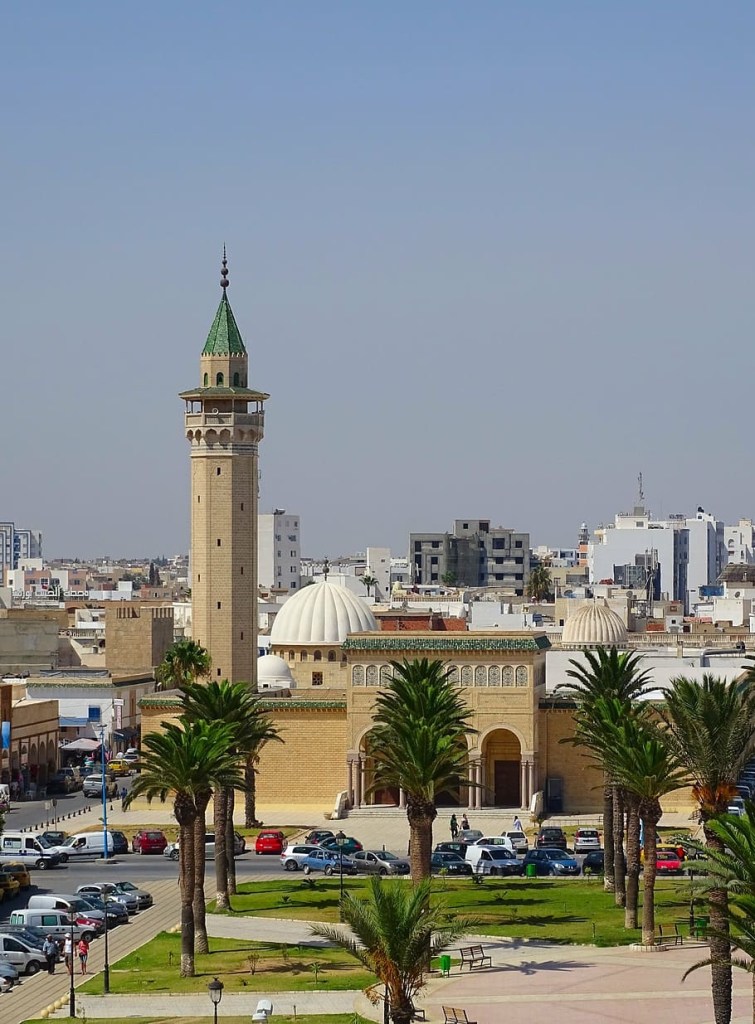
    Tunisia is home to several medina cities, which are vibrant hubs of history and culture. The UNESCO World Heritage medina of Tunis, the capital city, invites visitors to wander through its narrow alleys lined with colorful souks, traditional houses, and ornate mosques. Other enchanting medinas, such as Sousse and Kairouan, offer a glimpse into Tunisia’s Islamic heritage, with their intricate architecture and bustling marketplaces.
  3. Coastal Splendors:
    Tunisia boasts a stunning coastline that stretches for hundreds of kilometers, with pristine beaches and charming seaside towns. The popular resort town of Hammamet entices visitors with its golden sands, crystal-clear waters, and a medina filled with handicraft shops and cafés. Further south, the island of Djerba captivates with its idyllic beaches, ancient synagogues, and a rich cultural tapestry shaped by Jewish, Berber, and Arab influences.
  4. Sahara Desert Adventures:
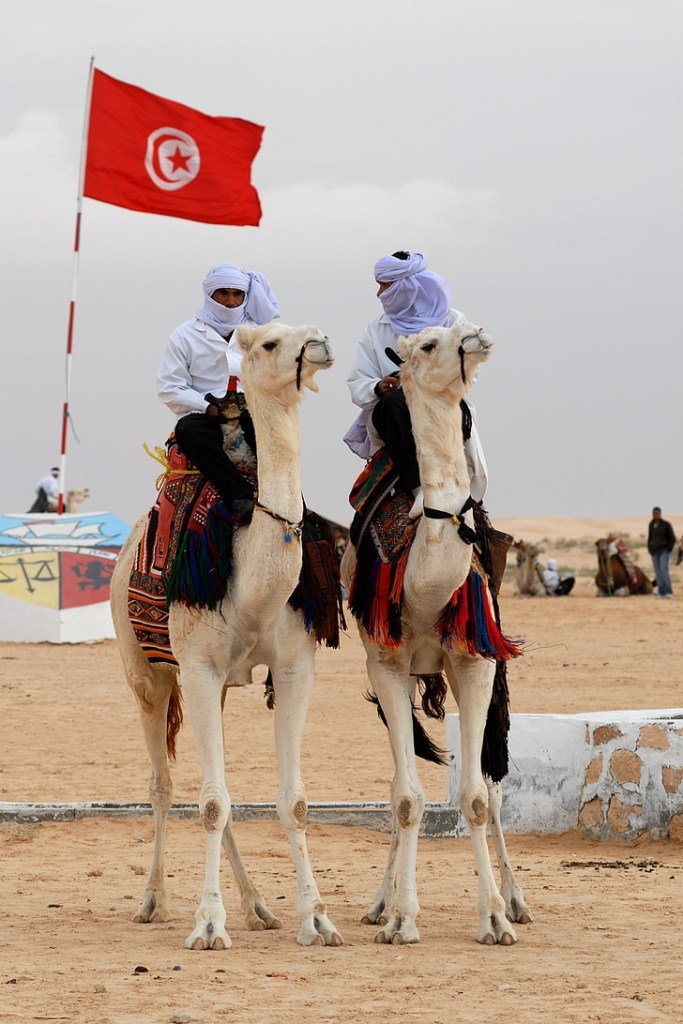
    Venturing into Tunisia’s southern reaches, the vast expanse of the Sahara Desert beckons adventurers. The awe-inspiring landscapes of the desert, with its towering sand dunes, barren plains, and oasis towns, offer a unique opportunity for exploration. Visitors can embark on camel treks, spend nights under the starry desert sky, and encounter the warm hospitality of the local Berber communities.
  5. Culinary Delights and Cultural Traditions:
    Tunisian cuisine is a true reflection of the country’s cultural diversity and history. From the fiery spices of harissa to the fragrant couscous and flavorful tagines, the gastronomic offerings tantalize taste buds. Traditional festivals, such as the lively Medina Festival in Tunis and the vibrant Sahara Festival in Douz, showcase Tunisia’s rich cultural heritage, with music, dance, and colorful celebrations.

Conclusion:
Tunisia is a country that captivates with its blend of ancient history, cultural richness, and natural beauty. Whether exploring the ruins of Carthage, getting lost in the bustling medinas, basking on sun-kissed beaches, or venturing into the vast Sahara Desert, Tunisia offers a mosaic of experiences that leave a lasting impression. As you immerse yourself in the country’s vibrant tapestry of history, culture, and landscapes, Tunisia reveals itself as a gem waiting to be discovered, offering a captivating journey for every traveler.