Tag Archives: history

Tunisia: A Tapestry of History, Culture, and Natural Beauty


Nestled on the Mediterranean coast of North Africa, Tunisia is a country that beckons travelers with its rich history, vibrant culture, and diverse landscapes. From ancient ruins and bustling medinas to stunning beaches and desert oases, Tunisia offers a captivating tapestry of experiences. In this article, we will embark on a journey to explore the allure of Tunisia, delving into its historical treasures, cultural heritage, and natural wonders.

  1. Ancient History and Archaeological Marvels:
    Tunisia boasts a fascinating ancient history, with a legacy that stretches back to Carthaginian times. The UNESCO-listed archaeological site of Carthage stands as a testament to this ancient civilization, with its ruins of grand structures, including the iconic Carthage Theatre and Roman villas. The well-preserved Roman amphitheater of El Jem, often referred to as the “Colosseum of North Africa,” showcases Tunisia’s Roman heritage and leaves visitors in awe of its grandeur.
  2. Enchanting Medina Cities:
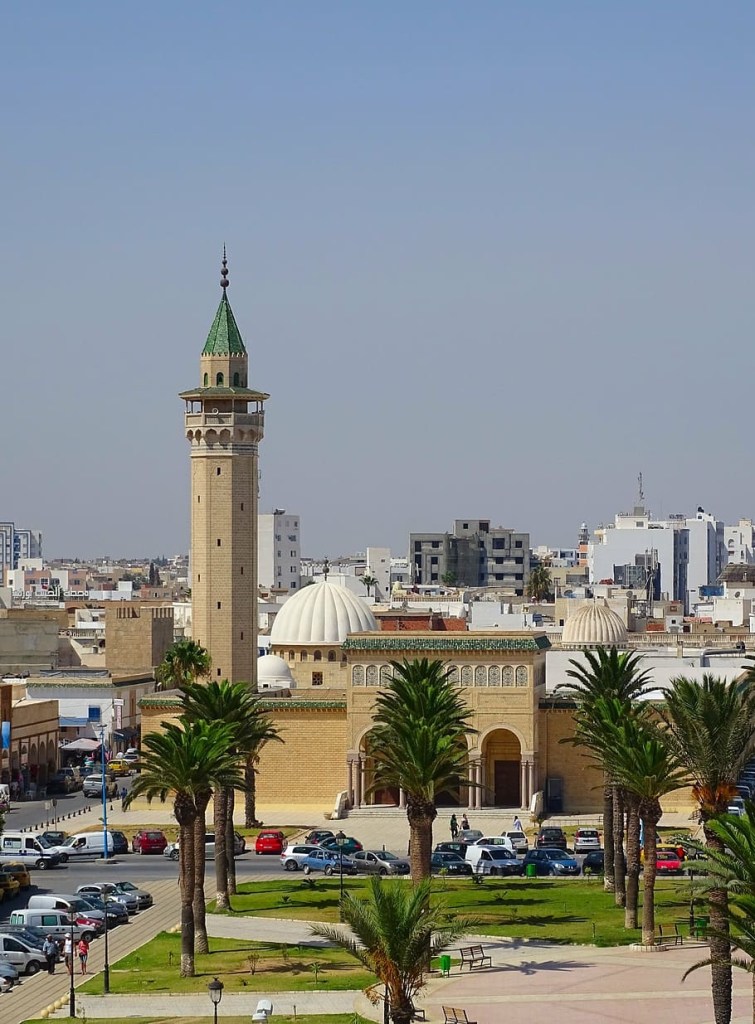
    Tunisia is home to several medina cities, which are vibrant hubs of history and culture. The UNESCO World Heritage medina of Tunis, the capital city, invites visitors to wander through its narrow alleys lined with colorful souks, traditional houses, and ornate mosques. Other enchanting medinas, such as Sousse and Kairouan, offer a glimpse into Tunisia’s Islamic heritage, with their intricate architecture and bustling marketplaces.
  3. Coastal Splendors:
    Tunisia boasts a stunning coastline that stretches for hundreds of kilometers, with pristine beaches and charming seaside towns. The popular resort town of Hammamet entices visitors with its golden sands, crystal-clear waters, and a medina filled with handicraft shops and cafés. Further south, the island of Djerba captivates with its idyllic beaches, ancient synagogues, and a rich cultural tapestry shaped by Jewish, Berber, and Arab influences.
  4. Sahara Desert Adventures:
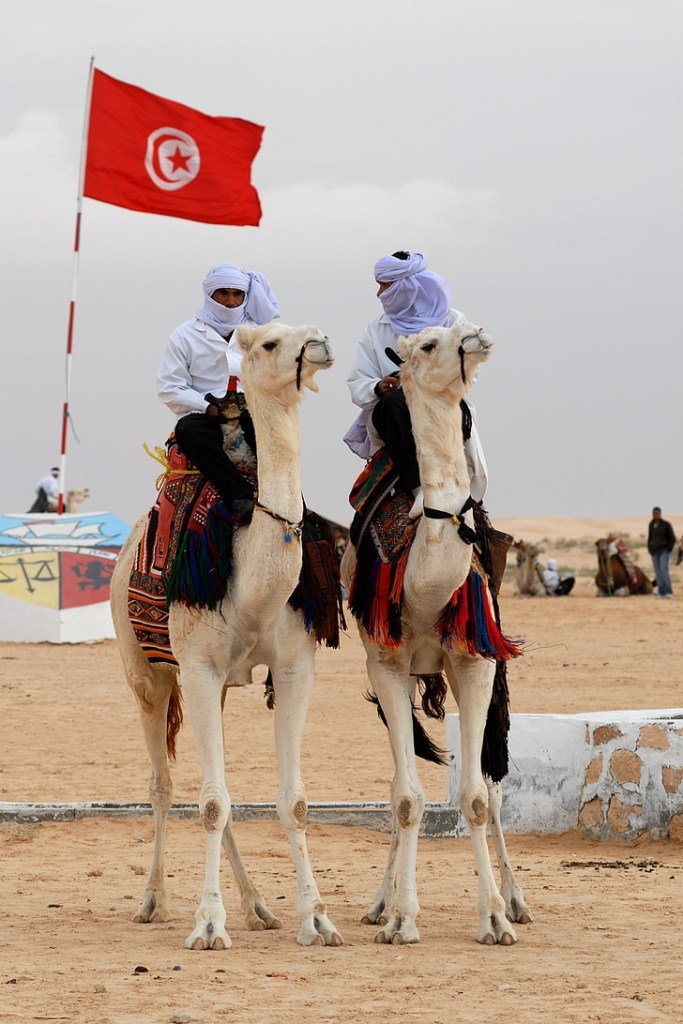
    Venturing into Tunisia’s southern reaches, the vast expanse of the Sahara Desert beckons adventurers. The awe-inspiring landscapes of the desert, with its towering sand dunes, barren plains, and oasis towns, offer a unique opportunity for exploration. Visitors can embark on camel treks, spend nights under the starry desert sky, and encounter the warm hospitality of the local Berber communities.
  5. Culinary Delights and Cultural Traditions:
    Tunisian cuisine is a true reflection of the country’s cultural diversity and history. From the fiery spices of harissa to the fragrant couscous and flavorful tagines, the gastronomic offerings tantalize taste buds. Traditional festivals, such as the lively Medina Festival in Tunis and the vibrant Sahara Festival in Douz, showcase Tunisia’s rich cultural heritage, with music, dance, and colorful celebrations.

Conclusion:
Tunisia is a country that captivates with its blend of ancient history, cultural richness, and natural beauty. Whether exploring the ruins of Carthage, getting lost in the bustling medinas, basking on sun-kissed beaches, or venturing into the vast Sahara Desert, Tunisia offers a mosaic of experiences that leave a lasting impression. As you immerse yourself in the country’s vibrant tapestry of history, culture, and landscapes, Tunisia reveals itself as a gem waiting to be discovered, offering a captivating journey for every traveler.
The Extraordinary Journey of Mary Anning: Unearthing Jurassic Secrets

Introduction:

History is adorned with remarkable tales of individuals who, against all odds, leave an indelible mark on the world. One such extraordinary story is that of Mary Anning, a pioneering British fossil hunter whose discoveries in the early 19th century revolutionized our understanding of prehistoric life. Her journey from humble beginnings to becoming a renowned paleontologist is a testament to her unwavering determination and passion for unearthing the secrets of the Jurassic era.

  1. Early Years and Fossil Hunting:

Mary Anning was born in 1799 in Lyme Regis, a coastal town in Dorset, England. Growing up in a modest family, she developed a keen interest in fossil hunting at a young age. With her father’s guidance, she explored the treacherous cliffs along the English Channel, scouring the rocks for ancient remains that had been exposed by erosion.

  1. Groundbreaking Discoveries:

In 1811, when Mary was just 12 years old, she made her first significant discovery—an almost complete skeleton of an ichthyosaur, an extinct marine reptile. This finding catapulted her into the scientific spotlight and caught the attention of prominent geologists and paleontologists of the time. Over the years, Mary’s meticulous excavations unveiled numerous other remarkable specimens, including plesiosaurs, ammonites, and belemnites.

  1. Challenges and Recognition:

As a woman in a male-dominated scientific community, Mary faced many obstacles. She struggled for recognition and was often denied credit for her discoveries, which were attributed to male scientists. Nonetheless, her expertise and contributions eventually gained recognition, and she earned respect for her exceptional knowledge of fossils.

  1. Scientific Impact and Legacy:

Mary Anning’s findings significantly impacted the field of paleontology, challenging prevailing notions about prehistoric life and Earth’s history. Her discoveries provided valuable insights into ancient marine ecosystems and the extinction of species. Scientists of her time relied on her expertise, and her work laid the foundation for subsequent research and the development of paleontological theories.

Conclusion:

Mary Anning’s story is one of perseverance and passion, revealing the profound impact that a single individual can have on the scientific community. Her groundbreaking discoveries not only expanded our knowledge of prehistoric life but also shattered gender barriers in science. Mary’s legacy continues to inspire future generations of scientists and fossil enthusiasts, reminding us of the importance of curiosity, dedication, and the pursuit of knowledge. Through her unwavering commitment, Mary Anning forever remains a symbol of the relentless pursuit of truth and the timeless wonders waiting to be unearthed in the depths of Earth’s history.

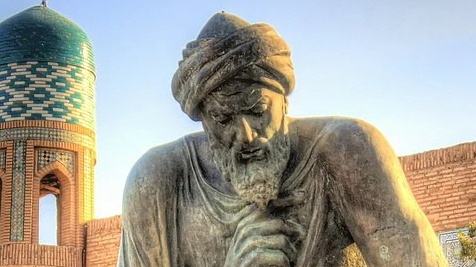
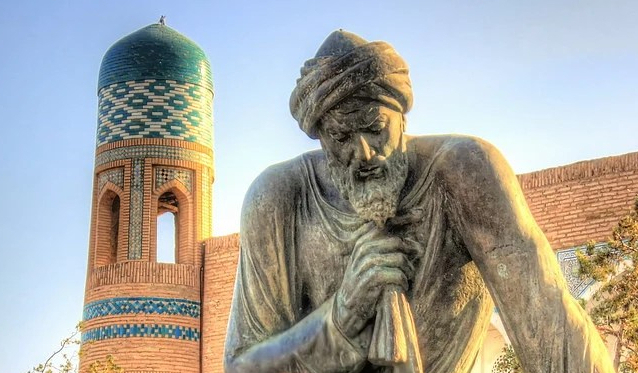
Abu Abdullah Al-Khwarizmi

Abu Abdullah Muhammad bin Musa Al-Khwarizmi,

Abu Abdullah Al-Khwarizmi: Pioneering Arab Scientist in Astronomy and Mathematics

Abu Abdullah Muhammad bin Musa Al-Khwarizmi, commonly known as Al-Khwarizmi, was an esteemed Arab scientist who made significant contributions to the fields of astronomy, mathematics, and geography during the Islamic Golden Age. His pioneering works laid the groundwork for advancements in these disciplines, shaping the course of scientific inquiry and influencing scholars for centuries to come.

  1. Contributions to Astronomy:

Al-Khwarizmi’s contributions to astronomy were groundbreaking. He expanded upon the knowledge inherited from Greek and Indian astronomers and refined the techniques for astronomical observations and calculations. His treatise “Zij al-Sindhind” (The Astronomical Tables of Sindh and Hind) integrated Indian and Persian astronomical knowledge, providing accurate methods for predicting the positions of celestial bodies. This work became the basis for future advancements in the field.

  1. Advancements in Mathematics:

Al-Khwarizmi’s most notable contribution to mathematics was his pioneering work on algebra. His book “Kitab al-Jabr wa-l-Muqabala” (The Compendious Book on Calculation by Completion and Balancing) introduced systematic methods for solving linear and quadratic equations, revolutionizing the field of algebra. The term “algebra” itself derives from the title of his book. Al-Khwarizmi’s work not only had a profound impact on mathematics but also laid the foundation for modern symbolic algebra.

  1. Mastery of Geography:

Al-Khwarizmi’s expertise extended to the field of geography as well. He authored “Kitab Surat al-Ard” (The Image of the Earth), a comprehensive work that explored geographical principles and map-making techniques. His meticulous observations and calculations helped refine the understanding of the Earth’s geography, including the measurement of longitude and latitude. His work greatly influenced later geographers and cartographers.

  1. Influence and Legacy:

Al-Khwarizmi’s works were widely translated into Latin during the Middle Ages, and his mathematical treatises became foundational texts in Europe. His advancements in algebra laid the groundwork for future mathematical developments, contributing to the Renaissance and shaping modern mathematics. The term “algorithm” derives from his Latinized name, reflecting his influence on the field of computation.

Conclusion:

Abu Abdullah Al-Khwarizmi was a trailblazing Arab scientist whose contributions in astronomy, mathematics, and geography paved the way for scientific progress. His pioneering works, including advancements in algebra, the development of astronomical tables, and his insights into geography, continue to resonate in scientific disciplines today. Al-Khwarizmi’s influence extended beyond his time, shaping the foundations of modern mathematics and serving as an inspiration for generations of scholars. His legacy stands as a testament to the enduring intellectual contributions of Arab scientists during the Islamic Golden Age.

“your love and support mean a lot to me”

One-Time
Monthly
Yearly

Make a one-time donation

Make a monthly donation

Make a yearly donation

Choose an amount

£5.00
£15.00
£100.00
£5.00
£15.00
£100.00
£5.00
£15.00
£100.00

Or enter a custom amount

£

“it’s not how much we give but how much love we put into giving’
Your contribution is appreciated.

Your contribution is appreciated.

Your contribution is appreciated.

DonateDonate monthlyDonate yearly