
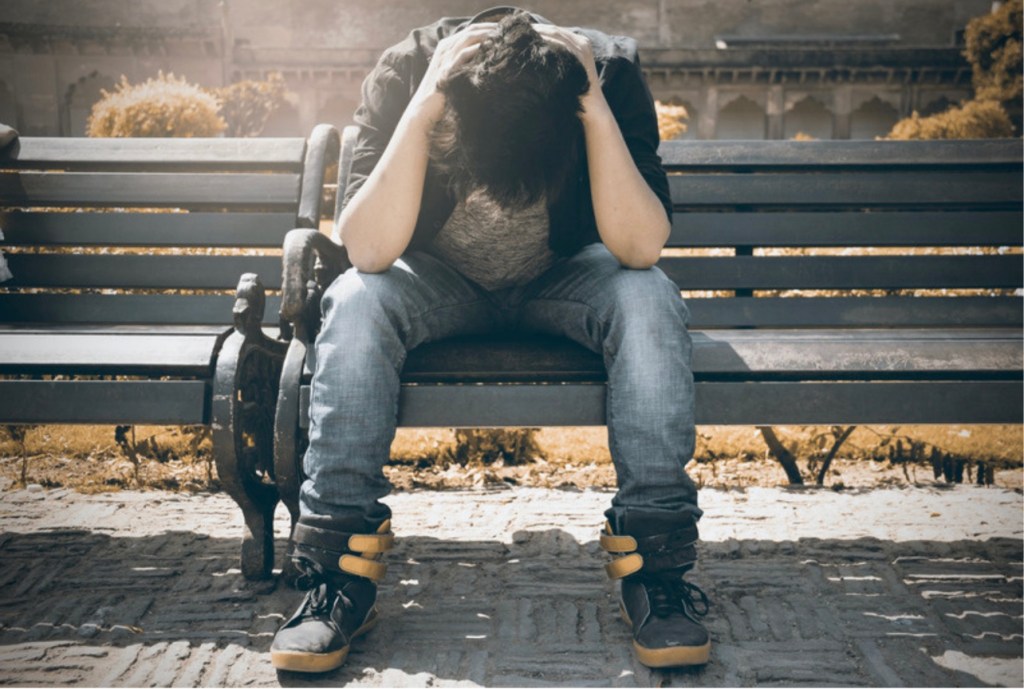
Depression can manifest in different ways for different individuals, but some common symptoms of depression include:
- Feelings of sadness, hopelessness, and emptiness that persist for a prolonged period of time
- Loss of interest or pleasure in activities that were once enjoyable
- Fatigue, low energy, and difficulty sleeping or oversleeping
- Appetite changes, either overeating or loss of appetite
- Feelings of worthlessness, guilt, or shame
- Difficulty concentrating, making decisions, and remembering things
- Physical symptoms such as headaches, stomach problems, and chronic pain
- Thoughts of suicide or self-harm
It’s important to note that everyone experiences depression differently, and some individuals may not experience all of these symptoms. Additionally, these symptoms may also be caused by other conditions, so it’s essential to seek professional help to receive an accurate diagnosis and appropriate treatment.
# Depression can affect individuals of all ages, including teenagers. However, because adolescents are going through significant physical, emotional, and social changes, depression can manifest differently in teenagers than in adults. Here are some common symptoms of depression in teenagers:
- Irritability and mood swings: Teenagers with depression may experience sudden and intense mood swings and may be easily irritated or frustrated.
- Withdrawal from social activities: They may lose interest in activities they once enjoyed, isolate themselves from friends and family, and spend more time alone.
- Sleep changes: They may have difficulty sleeping or may sleep excessively.
- Changes in appetite and weight: They may experience changes in appetite and weight, either overeating or undereating.
- Poor academic performance: Depression can affect their concentration and motivation, resulting in poor academic performance.
- Low self-esteem and feelings of worthlessness: Teenagers with depression may have negative thoughts about themselves, feel guilty or shameful, and have a low sense of self-worth.
- Physical complaints: They may experience physical symptoms such as headaches, stomachaches, and fatigue.
If you suspect that your teenager may be experiencing depression, it’s important to seek professional help. A mental health professional can provide an accurate diagnosis and develop a treatment plan that may include therapy, medication, or a combination of both.
How do people with anxiety and depression behave?
People with anxiety and depression can exhibit a range of behaviours that may vary depending on the severity of their condition, their personality, and their individual coping mechanisms. However, some common behaviours associated with anxiety and depression include:
Avoidance: Individuals with anxiety and depression may avoid situations that trigger their symptoms. For example, someone with social anxiety may avoid social situations, while someone with depression may withdraw from friends and family.
Excessive worrying: People with anxiety may experience persistent and excessive worrying about everyday situations, events, or future outcomes.
Negative thinking: People with depression may have negative thoughts about themselves, their life, and the world around them. This negative thinking can lead to a cycle of self-blame, low self-esteem, and hopelessness.
Restlessness: People with anxiety may experience restlessness, agitation, and a feeling of being on edge. This can manifest in physical symptoms such as fidgeting, pacing, or nail-biting.
Fatigue: People with depression may experience persistent feelings of fatigue and lack of energy, which can affect their ability to carry out daily activities.
Changes in appetite and sleep: Both anxiety and depression can affect appetite and sleep patterns. People with anxiety may experience changes in appetite, while people with depression may experience either overeating or under-eating. Additionally, both conditions can cause difficulty sleeping or excessive sleepiness.
Irritability: People with anxiety and depression may experience irritability, mood swings, and difficulty controlling their emotions.
It’s important to note that everyone experiences anxiety and depression differently, and not all individuals may exhibit these behaviours. Additionally, some of these behaviours may also be caused by other conditions, so it’s important to seek professional help to receive an accurate diagnosis and appropriate treatment.
 Express your opinion with A to Z write